Loading...
Port Arthur clay soil, high water table, and flood zone rules demand more than a standard pour. We build slab foundations in Port Arthur that account for every one of those conditions before the first truck arrives.
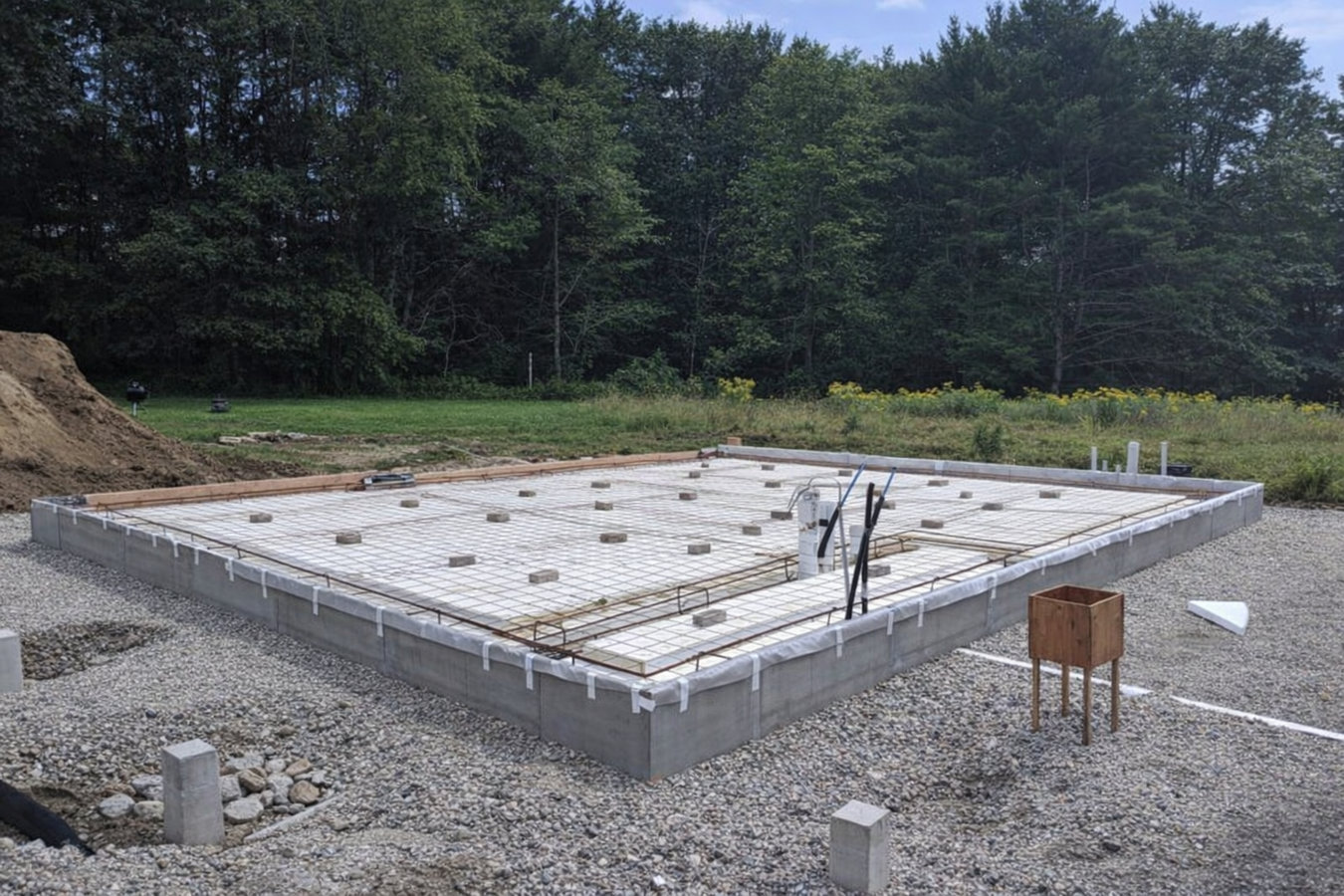
Slab foundation building in Port Arthur means grading the site, compacting the soil, placing gravel drainage, laying steel reinforcement, and pouring a thick concrete pad that becomes both the floor and the structural base of your home - most residential jobs take one to three days of active work, then about a week of curing before framing begins. The Port Arthur area sits on heavy Gulf Coast clay that swells with moisture and shrinks when dry, and much of the city falls in a FEMA flood zone that affects how high your slab must be elevated. These are not details you work around - they are built into every job we do here. Foundation installation covers the full scope when your project also involves foundation replacement or a complete new-construction build sequence.
If you are starting fresh on a vacant lot, rebuilding after flood damage, or replacing a slab that has shifted and cracked, the foundation is the one part of the project you do not get to redo without tearing everything out. Getting it right the first time - with the right soil preparation, drainage, elevation, and reinforcement - is the whole job.
If doors in your home have started sticking, swinging open on their own, or leaving gaps at the frame, the slab beneath them may have shifted. In Port Arthur, this often happens after a dry summer when the clay soil shrinks and pulls away from the foundation. It is one of the earliest warning signs that something is moving underground, and it tends to get worse rather than better if left alone.
Diagonal cracks near the corners of windows and doors, or long cracks running across a concrete floor, signal that the foundation has moved unevenly. Small hairline cracks can be normal in older homes, but cracks wide enough to fit a coin into - or cracks that are visibly growing over time - deserve a professional assessment. In Port Arthur's wet climate, water can enter through even small cracks and accelerate the underlying damage.
Walk the inside of your home and look where the walls meet the floor and ceiling. A visible gap that was not there before means the structure is moving. This is especially common in older Port Arthur homes built before modern soil preparation standards were in place, where foundations were thinner and less reinforced than what a current permit inspection would require.
Water that consistently pools against the base of your home after a storm rather than draining away is working against your foundation every time it rains. The moisture causes Port Arthur's clay soil to swell and shift, which can crack or tilt even a well-built slab over time. If you notice this pattern, it is worth having a contractor assess both your drainage situation and the condition of the foundation at the same time.
We handle the complete process - site assessment, permit filing with the City of Port Arthur, grading and soil compaction, gravel base installation, vapor barrier placement, steel reinforcement layout, the pour itself, and post-pour curing management. For lots in designated flood zones, we pull your FEMA flood map data before quoting so the elevation requirement is baked into the price you see, not added later. All of our slab work is built to current local code and passes city inspection before any framing begins. If your project also requires concrete footings for load-bearing columns or structural posts, concrete footings can be installed as part of the same scope, and foundation installation covers a full replacement sequence for homes where the existing foundation needs to come out before a new one goes down.
Every project starts with a written, itemized estimate after we visit the site in person. You know what you are paying for before any work begins - no verbal approximations, no surprise line items once the crew arrives.
Right for vacant lots and cleared sites where a permit-ready slab must go down before framing begins.
For lots designated in a FEMA flood zone requiring the slab to be built to a specified elevation above grade.
For homes where the existing foundation was compromised by Harvey or subsequent flooding and needs to be replaced to current standards.
Port Arthur is one of the lowest-elevation cities in Texas. Much of the city sits at or near sea level, the water table is close to the surface in most neighborhoods, and FEMA flood maps designate large portions of the city as high-risk flood zones. Those conditions mean every new slab here has to account for elevation requirements that simply do not apply in drier parts of the state. Hurricane Harvey flooded thousands of Port Arthur homes in 2017, and the rebuilding effort that followed brought in contractors from across the region - some of whom did not understand local soil and flood requirements. Getting quotes from contractors who have actually pulled permits in Jefferson County and worked directly with the City of Port Arthur building department is the difference between a slab that holds up and one that needs attention again in a few years. The Foundation Performance Association documents what happens to slab foundations in Gulf Coast clay soils - the conditions they study are exactly what we work in every day.
We work across all of Southeast Texas. Homeowners in Nederland and Groves face the same clay soil and flood zone dynamics as Port Arthur - same soil preparation approach, same attention to elevation requirements, same permit process.
We respond within 1 business day. You describe the project - lot size, new construction or replacement, and your general timeline. We schedule a site visit before giving you any number, because in Port Arthur the condition of the soil and your flood zone designation both affect the scope and the cost.
After the site visit, you receive a written, itemized estimate. Once you accept, we apply for the required City of Port Arthur building permit - our responsibility, not yours. The permit adds one to two weeks before work begins, but it also puts a city inspector on your side.
The crew grades and levels the ground, removes unstable soil, compacts the base, and brings in fill material where needed to meet your flood elevation requirement. This stage takes one to two days and is where the long-term performance of your slab is determined - we do not rush it.
Once the reinforcement is placed and the inspector signs off, the concrete trucks arrive. The pour is typically a single day. After that, the slab cures for about a week before framing can begin. A final city inspection confirms everything is ready, and we walk you through the finished foundation with all permit documentation in hand.
No pressure. No obligation. Just a written estimate after a real site visit.
(409) 293-3178We are a local business based in Port Arthur. We know the clay soil behavior, the FEMA flood map designations, the permit office, and the inspection process specific to this city. We are not a regional company that sends whoever is available.
Port Arthur flood maps affect how high your slab must be elevated, and finding that out late can blow up your budget. We pull your lot data before we quote so the number you see on paper is the number you pay. The FEMA Flood Map Service Center is where we verify every lot before committing to a scope.
Every slab we build goes through the City of Port Arthur permit and inspection process. That gives you a clean paper trail - which matters if you ever sell the home, refinance, or file an insurance claim after a storm. Unpermitted foundation work is a serious liability in Southeast Texas real estate.
We cover Port Arthur, Beaumont, Groves, Nederland, Port Neches, Orange, and more - 12 service areas across Jefferson, Hardin, and Orange counties. Same soil prep standards, same permit process, same crew on every job regardless of city.
Port Arthur's clay soil and flood zone rules do not forgive shortcuts on a slab foundation. Every step we take - from soil compaction to final inspection - is documented and built to the conditions specific to this area, not borrowed from a drier part of the state.
Full foundation installation for new construction or replacement - same clay soil expertise applied to your complete project scope.
Learn moreProperly sized footings distribute structural loads safely into stable ground beneath Port Arthur's expansive clay layer.
Learn morePermit season fills up fast in Jefferson County. Call today or submit the form to lock in your start date before the schedule closes.