Loading...
Building a deck, addition, or structure on soft Gulf Coast soil? We pour concrete footings in Port Arthur sized for the actual ground conditions on your property - not a one-size-fits-all depth that fails when the clay shifts.
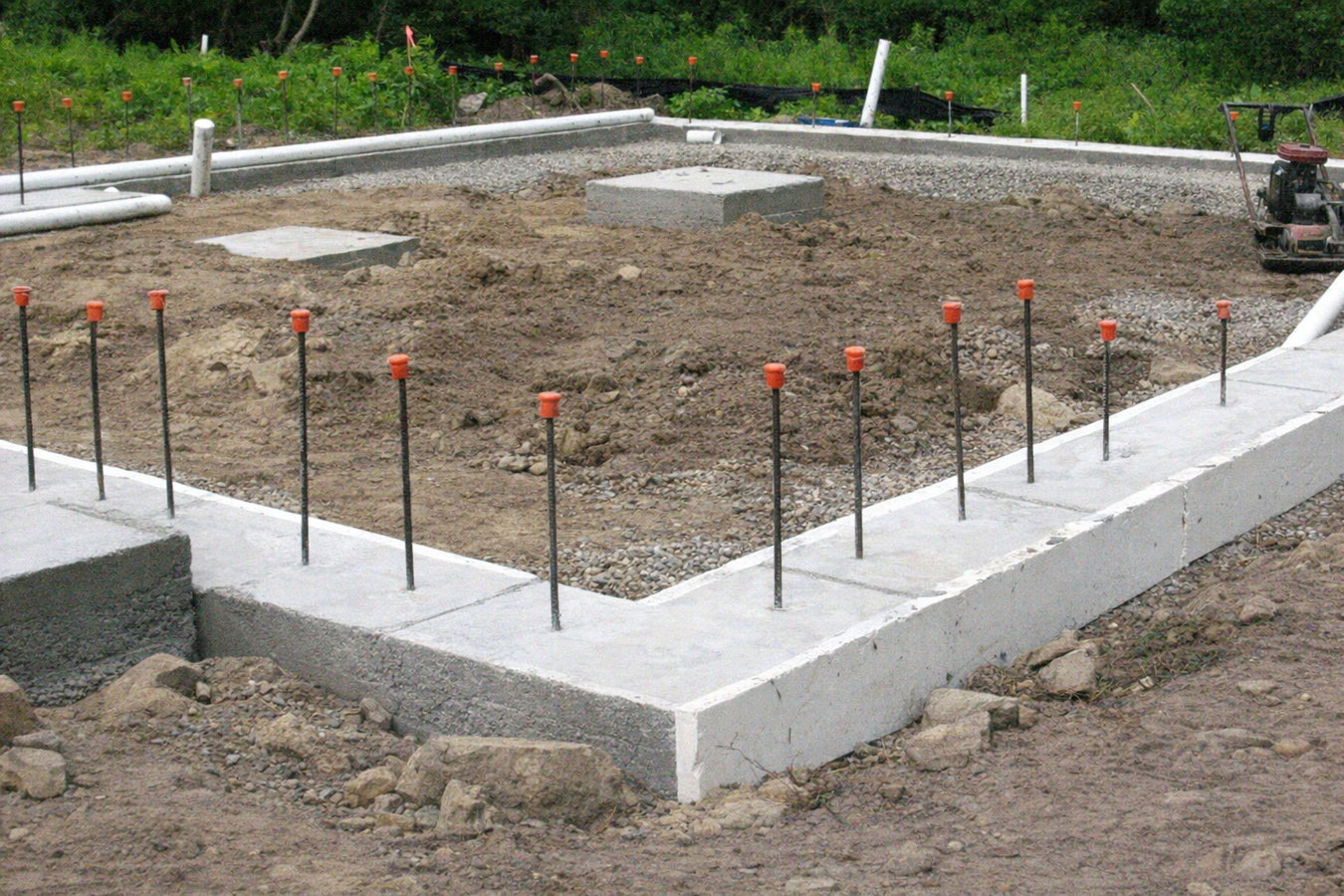
Concrete footings in Port Arthur are the buried base pours that hold decks, additions, fences, garages, and covered structures in place - most residential footing jobs take one to three days to pour, plus a week of curing before anything is built on top. A footing spreads the weight of whatever sits above it across a wider area of soil so the structure does not shift, sink, or tilt over time. In Port Arthur, where the ground is largely soft, saturated coastal clay that moves with moisture levels, footings here often need to go deeper and wider than they would in drier parts of Texas. Getting that sizing right is the difference between a structure that holds for decades and one that starts leaning two rainy seasons later.
Footing work is almost always tied to a larger project - a new deck, a home addition, a detached garage, or a covered patio. If you are also replacing or building a full foundation slab, our foundation installation service covers the complete scope. For repairs to an existing structure that has already shifted, footing work is typically paired with foundation raising to get things level before new construction begins.
If a structure that used to sit flush against your home now has a gap, or if posts that were once straight are now tilting, the footing underneath has likely shifted or failed. In Port Arthur's soft soil, this can happen faster than in other parts of the state - especially after a wet season when the ground has been saturated for weeks. A leaning structure can become a falling structure. Do not wait on this one.
When a footing settles unevenly, the structure above it moves with it - and the first place you will usually see that is in diagonal cracks running from the corners of door frames or window frames. This is different from normal surface cracks and suggests that a supporting footing has dropped. If you are seeing this pattern in more than one spot, a concrete contractor should assess the situation.
If water consistently sits against your home's base or around deck posts after a storm, that repeated saturation is working against whatever footings are down there. Over time, water erodes the soil that supports the footing, and the footing starts to move. Catching this early - before visible structural movement - is far less expensive than fixing it after the fact.
If you want to build a garage, sunroom, covered patio, or any addition on your Port Arthur property, you will almost certainly need new footings. Given the area's soil conditions, you will want them sized for the ground you actually have. A standard footing depth designed for firmer soil will not hold reliably in Port Arthur's soft, coastal clay.
We handle every step from the initial site visit and soil assessment through permit application, excavation, form setting, rebar placement, pouring, and inspection coordination. Every footing we pour includes steel rebar reinforcement inside the concrete - the rebar acts as a skeleton that holds the footing together if the ground shifts or the load above changes. We size the depth and width based on what your property actually needs, not a generic number. In Port Arthur's soft clay, that assessment step is not optional - it is what determines whether the footing holds or fails. If your property falls in a FEMA flood zone, we factor that into the design from the start.
For larger projects, footing work ties into our foundation installation service when a full slab or pier-and-beam system is needed rather than individual point footings. We also offer foundation raising for existing structures that have already settled and need to be brought back to level before new footing work is tied in. Scheduling these phases together reduces disruption and keeps the overall project on a single timeline.
The right choice for decks, pergolas, fence posts, and small detached structures that need isolated support at each post location.
Used for home additions, garage foundations, and any structure where a full perimeter base is needed to distribute the wall load.
Engineered for Port Arthur properties in FEMA flood zones, where additional depth, width, or drainage requirements apply.
Port Arthur sits on the upper Texas Gulf Coast, where the ground is largely soft clay and fill soils that hold water and shift under load. Footings here often need to go deeper or be made wider than they would in drier, more stable parts of the state - and a contractor who does not account for that in the design is setting you up for structural movement within a few years. Port Arthur also has a significant share of housing stock built in the mid-20th century, and many of those homes are now showing the effects of decades of soil movement and moisture exposure. If you are adding onto an older home or replacing a structure that has been there for decades, the existing footings may not be up to current standards. A good contractor assesses what is already there before tying new work into it. Southeast Texas sits in one of the most active hurricane corridors in the country, and structures built on properly engineered footings are significantly more likely to survive high winds and storm surge than those on undersized or poorly poured bases.
We work across Southeast Texas, including homeowners in Nederland and Port Neches, where the same clay soil and flood zone conditions apply to footing work. The National Hurricane Center consistently ranks Southeast Texas among the highest-risk corridors in the country - which is one more reason footings here should be built to a higher standard than the minimum.
We respond within one business day. We will ask a few basic questions about what you are building and where on your property, then schedule a site visit. A phone quote for footing work is not reliable because soil conditions in Port Arthur can vary enough from one yard to the next that the depth and reinforcement requirements differ meaningfully.
We walk the area where footings will go, check the soil and drainage patterns, and confirm what depth and reinforcement the project needs. This is also when we tell you whether a permit is required - and for most structural work in Port Arthur, it is. We explain what the permit covers and how it affects the timeline before you sign anything.
Once you have agreed on scope and price, we handle the permit application with the City of Port Arthur. Permit timelines vary - plan for at least one to two weeks before work begins. On the first day of active work, the crew digs to the required depth, sets up the forms, and places the rebar reinforcement. Keep the work area clear during this phase.
Concrete is poured, leveled, and finished. In Port Arthur's heat, the crew pours early in the morning and takes steps to slow surface drying. Before forms are removed, a city inspector visits the site to confirm the depth and reinforcement match the approved plan. After inspection and at least a week of curing, your contractor can begin the next phase of your project.
We assess your soil, handle the permit, and pour rebar-reinforced footings sized for your specific property. Free estimate, no obligation.
(409) 293-3178We visit your property before giving you a number because Port Arthur's clay soil conditions vary enough from lot to lot that a phone estimate is not accurate. That assessment tells us how deep to go, how wide to pour, and whether the drainage around the footing needs to be addressed. It is the step that keeps your footings from moving in two years.
A significant portion of Port Arthur falls within FEMA flood zones, and footing design in those areas needs to account for drainage and elevation requirements that do not apply in drier regions. We know which zones apply to Port Arthur neighborhoods and factor that into the design from the start - not as an afterthought after the permit review flags it.
Structural footing work in Port Arthur requires a permit and a city inspection before the concrete is covered. We handle the application, coordinate the inspection, and make sure you receive a copy of the passed sign-off to keep with your home records. That documentation protects you when you sell and confirms the work was done to code.
Southeast Texas gets hit by tropical systems regularly, and structures built on properly sized footings survive far better than those on shallow or undersized bases. Port Arthur has experienced multiple major flood events, including Hurricane Harvey in 2017. We build for those conditions because that is the environment your structure actually lives in.
Every footing we pour is reinforced, inspected, and sized for the soil and flood zone conditions of the specific Port Arthur property it sits on. The American Concrete Institute standards we follow are the same ones inspectors check for - which is why our work consistently passes inspection on the first visit.
If an existing structure has already shifted or settled, foundation raising corrects the level before footings on new additions are tied in.
Learn moreFor new construction requiring a full foundation rather than individual footings, we install complete slab and pier systems suited to Port Arthur's soil conditions.
Learn moreContact us today for a free site visit and written estimate - storm season does not wait, and neither should your project.