Loading...
Port Arthur Concrete Company serves Vidor, TX with garage floor pours, driveway replacement, slab foundations, and flatwork. We know Orange County clay soil, the Sabine River flood plain, and what Harvey-era repair work often left unfinished. Responses within 1 business day.
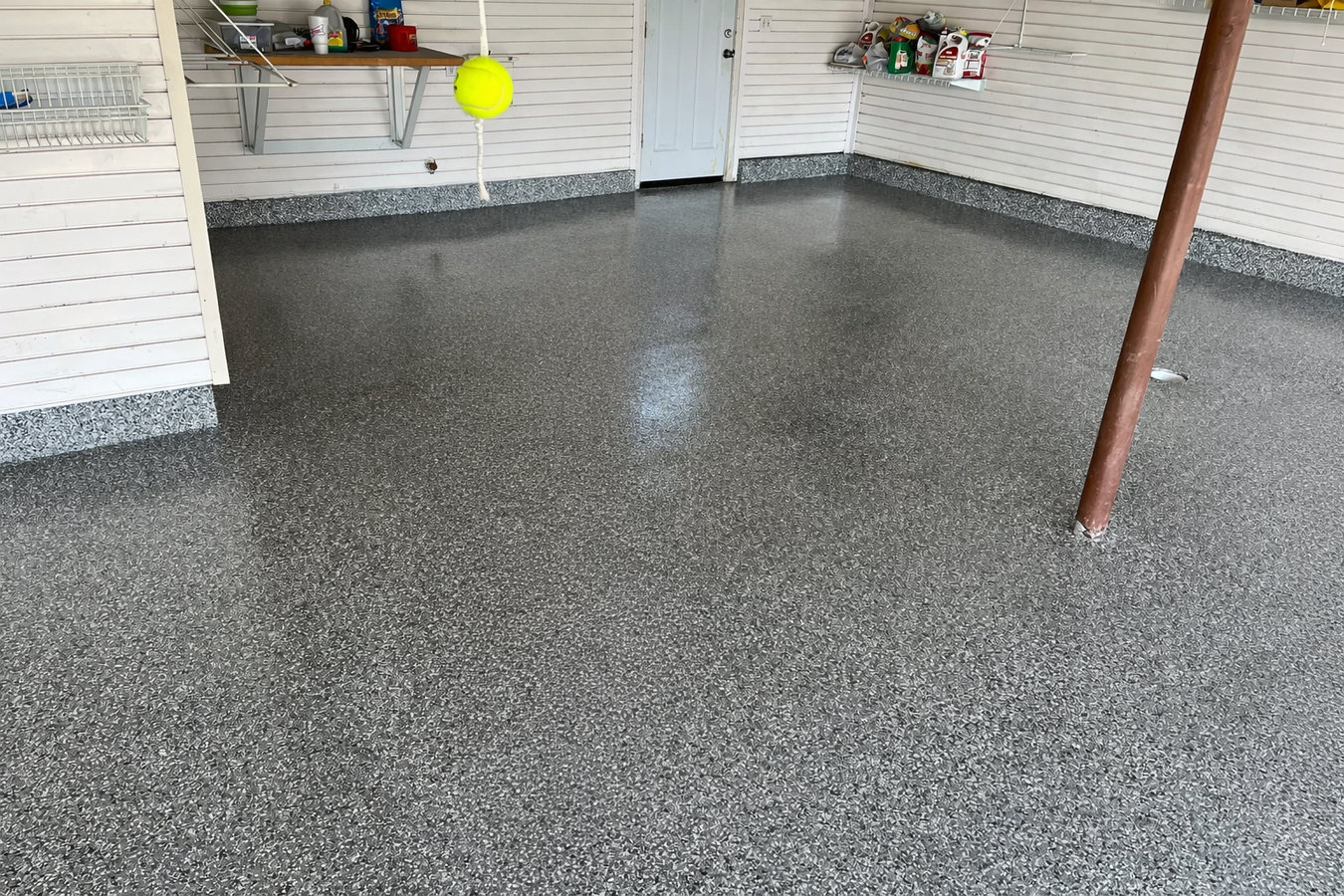
Many Vidor homes were built in the 1960s and 1970s on pier-and-beam foundations, but the garages and carport slabs added later are often on thin, poorly prepared pours that have cracked or sunk on the soft Orange County clay. A replacement garage floor built with proper base compaction, reinforcement, and drainage grading holds up through the wet seasons and freeze cycles this area delivers. Learn more about our garage floor concrete service.
Vidor driveways frequently show diagonal cracking and sections that have tilted or separated, which is a direct result of the expansive clay underneath them cycling through wet and dry conditions year after year. Driveways poured in the 1970s and 1980s were often laid without the gravel base that Southeast Texas soil requires. We replace driveways with the base preparation the local ground actually demands, not the minimum that was standard decades ago.
New accessory structures and additions in Vidor need a slab foundation prepared for the Orange County soil profile. Properties that flooded during Harvey had their soil saturated at depth, and any new concrete poured in the years since on top of unsettled ground is still moving. When we pour a new slab in Vidor, we take the time to assess the base conditions before a single cubic yard of concrete is ordered.
Front entry steps on older Vidor homes settle unevenly as the soil beneath them shifts. Steps that have dropped on one side, opened a gap at the house, or developed a visible tilt are a tripping hazard - and in a community with a high share of long-term homeowners, that liability matters. We remove failing steps and pour replacements with proper footings so they stay level as the ground moves underneath.
Sidewalk sections in Vidor heave and separate when the clay soil underneath them swells after heavy rain. Raised joints become trip hazards, and sections that have dropped create puddles that sit for hours on the flat, slow-draining lots typical of this area. We remove and replace damaged sections rather than patching over movement that will keep pushing the surface out of place.
Properties near the Sabine River and along drainage channels in Vidor can have significant soil erosion issues during storm events. A properly built retaining wall with drainage provisions behind it holds soil in place where natural grade changes create instability. In Vidor, the combination of flat terrain and wet conditions means drainage behind the wall is not an afterthought - it is what makes the wall work long-term.
Vidor is a working-class city of about 10,500 people in Orange County, sitting along Interstate 10 between Beaumont and Orange. Most homes here were built between the 1950s and 1980s, and a large share of the housing stock is owner-occupied. That combination - older concrete, long-term owners, and a community where people take care of what they have - means there is a steady stream of driveways, garage floors, and steps that have reached the end of their usable life. The soil under most of Vidor is heavy Gulf Coast clay that expands when it gets wet and contracts when it dries. With around 55 to 60 inches of annual rainfall, that cycle never really stops, and concrete that was not poured with adequate base preparation cannot withstand it for multiple decades.
Vidor also sits in the Sabine River flood plain, and the city has flooded repeatedly during major storms, including Hurricane Rita in 2005, Hurricane Ike in 2008, and most severely during Hurricane Harvey in 2017. Homes that flooded during Harvey had their soil saturated well below the surface, weakening the support beneath driveways, slabs, and foundations. Much of the post-Harvey repair work that followed addressed interior damage but left the concrete flatwork and foundations in a condition that has continued to move and crack in the years since. Homeowners who have been watching a crack or a low spot and wondering if it will stabilize on its own should get an assessment before the next wet season arrives.
We pull permits for concrete work in Vidor through the City of Vidor and are familiar with the local requirements for driveways, slabs, and flatwork in this municipality. Vidor homeowners tend to be practical and direct - they want to know what the problem actually is, what fixing it costs, and how long it will take. That is the kind of conversation we come prepared to have on every site visit. The city sits right on I-10, and we move crews through the area regularly, working on homes from the streets closest to the Sabine River to the neighborhoods north of the highway.
We also serve Orange, which is just east of Vidor along I-10 and faces the same Sabine River flood plain conditions, expansive clay soil, and older housing stock that drive concrete service demand throughout Orange County. Working across this corridor regularly means we understand what the soil and the climate do to concrete in this specific part of Southeast Texas.
Orange County properties that went through Harvey are a significant part of our work across this corridor. We know how to read the signs of ongoing soil movement after a major flood event and can distinguish between a crack that has stabilized and one that is actively progressing. That context matters for Vidor homeowners deciding whether a repair or a full replacement is the smarter investment.
We respond to all Vidor inquiries within 1 business day. Tell us what you are dealing with - a cracked driveway, a garage floor that has settled, or a new slab you need poured - and we will schedule a time to visit your property in person. A phone estimate alone is not accurate for concrete work because the site conditions here vary significantly from one lot to the next.
We visit your Vidor property, assess the existing conditions - soil, drainage, any old concrete that needs to come out - and give you a written, itemized estimate before any work begins. We cover cost, timeline, and any permit requirements that apply to your project at this meeting so there are no surprises when work starts.
We handle any required permits with the City of Vidor before work begins. The crew then prepares the base - compacting the clay soil, adding gravel where the site requires it, and setting forms - before the concrete pour. In Vidor, we schedule pours for cooler morning hours when possible to avoid the surface drying faster than the interior can cure in summer heat.
Once the pour is complete, we walk you through what the surface should look like and what to expect during the curing period. Most surfaces are safe for foot traffic within 24 to 48 hours and ready for vehicle traffic within 7 days. Before we leave the site, you can inspect the finished work and confirm the drainage and surface condition meet what we agreed on.
We serve Vidor and surrounding Orange County communities. Responses within 1 business day. No pressure, no obligation.
(409) 293-3178Vidor is a city of about 10,500 people in Orange County, Texas, situated along Interstate 10 about 15 miles east of Beaumont and 10 miles west of Orange. The community is part of the Beaumont-Port Arthur metropolitan area and has close ties to the petrochemical refining industry that employs many residents across the region. The housing stock is predominantly single-family owner-occupied homes, most of which were built between the 1950s and 1980s on modest lots. Ranch-style and small wood-frame houses make up the majority of the streetscape, with brick veneer common on homes built in the 1960s and 1970s. The high homeownership rate - around 70% - means residents have a personal stake in maintaining their properties for the long term.
The Sabine River runs along the eastern edge of Vidor and forms the Texas-Louisiana state line. The flat, low-lying terrain typical of the Gulf Coast plain means lots drain slowly and standing water after rain is common in yards and around foundations. Drainage ditches along streets are more common here than curb-and-gutter systems, and water management is a real consideration for any concrete work on Vidor properties. We also serve nearby Lumberton to the north, where Hardin County clay and post-Harvey soil movement present similar challenges for concrete flatwork and foundations.
Durable concrete driveways built to withstand Gulf Coast heat and heavy use.
Learn moreCustom concrete patios designed for outdoor living and entertaining.
Learn moreDecorative stamped concrete with patterns and textures that elevate any surface.
Learn moreSafe, smooth concrete sidewalks for residential and commercial properties.
Learn moreSmooth, level garage floor concrete that handles vehicle traffic and daily wear.
Learn moreCreative decorative concrete finishes for floors, walls, and outdoor spaces.
Learn moreStructurally sound retaining walls that control erosion and define landscapes.
Learn morePrecision concrete floor installation for homes, warehouses, and commercial spaces.
Learn moreSlip-resistant concrete pool decks built for safety and lasting good looks.
Learn moreSturdy concrete steps constructed to code for entrances and grade changes.
Learn moreProperly graded and reinforced slab foundations for new construction projects.
Learn moreComplete foundation installation services for residential and commercial builds.
Learn moreCommercial-grade concrete parking lots built for heavy traffic and longevity.
Learn morePrecision concrete footings that provide solid support for structures of all sizes.
Learn moreFoundation raising solutions to level settled structures and restore stability.
Learn moreServing these cities and communities.
Contact Port Arthur Concrete Company today for a free on-site estimate. The longer cracked or sunken concrete sits, the more the Orange County clay underneath works against it.