Loading...
Cracked, uneven, or water-holding floors are a real problem in Port Arthur's clay soil and flood-prone terrain. We pour concrete floors built to drain correctly, resist soil movement, and hold up through decades of Gulf Coast humidity.
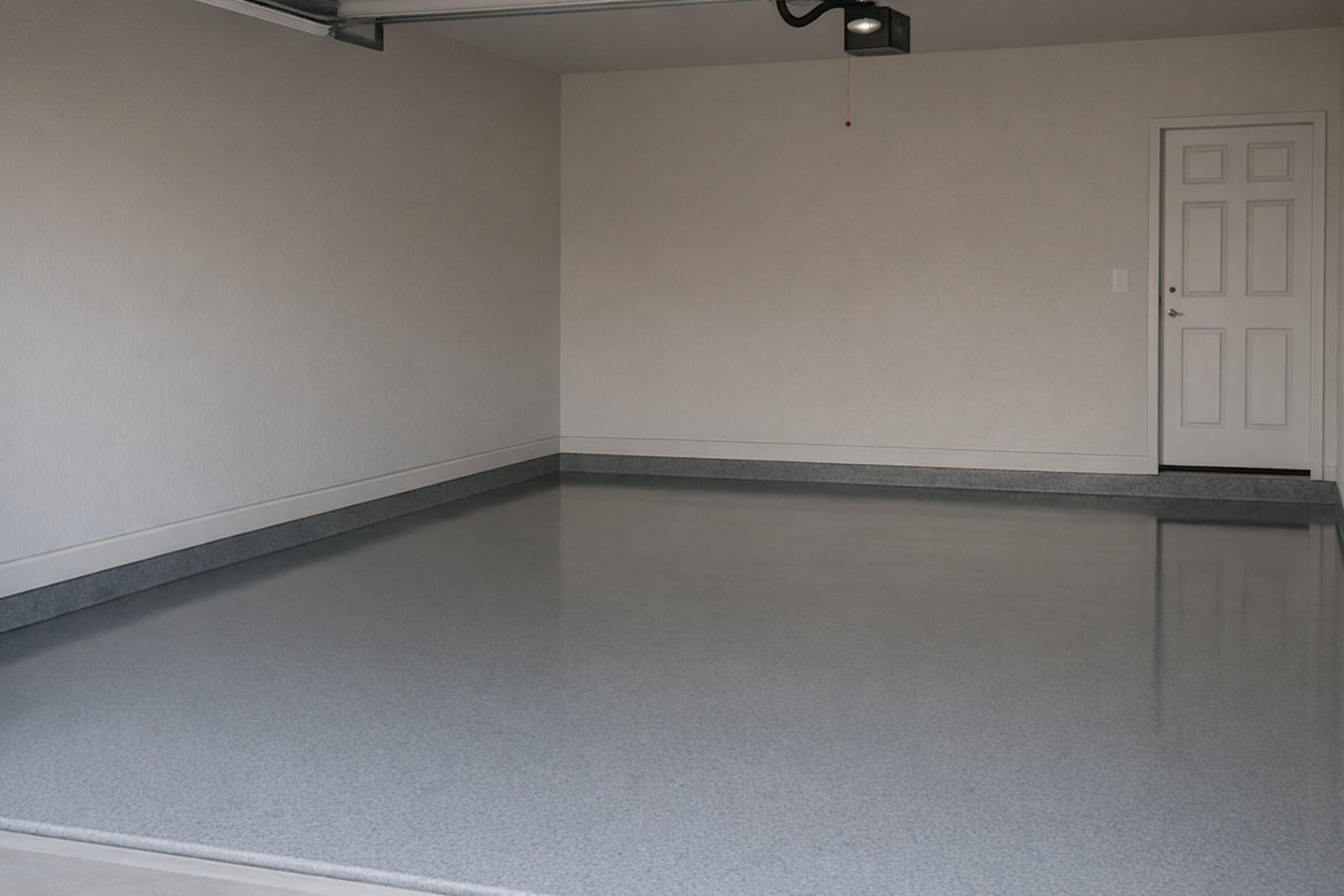
Concrete floor installation in Port Arthur starts with preparing the ground - leveling the soil, compacting it, and laying a gravel base so water moves away from the slab rather than pooling beneath it. Most residential jobs take one to three days of active work depending on size and whether demolition of an old slab is included. The Gulf Coast clay soil under most Port Arthur properties swells when saturated and contracts when dry, which is the number one cause of cracked and uneven slabs in Jefferson County. Getting the base right is the entire job - the pour on top is straightforward once the ground is stable. Garage floor concrete follows the same base preparation process, though garage slabs are typically poured thicker to handle vehicle loads.
Many Port Arthur homes were built in the mid-20th century, and a significant number have original slabs that have never been replaced. If your floor has been patched more than once and the cracks keep coming back, patching is no longer the right answer. A fresh pour on a properly prepared base is what solves the underlying problem.
Small hairline cracks in concrete are normal and usually harmless. But cracks wide enough to fit a pencil tip, or cracks that have been patched before and keep reopening, signal that the slab has moved or settled. In Port Arthur, this is often caused by clay soil expanding and contracting with the wet and dry seasons - and patching the surface without fixing the base just delays the same problem.
Walk slowly across your floor and pay attention to spots that feel different - a slight give, a hollow sound when tapped, or a noticeable dip. These are signs the soil beneath has shifted or washed away, leaving the concrete unsupported. This is especially common in Port Arthur homes that have experienced flooding, since floodwater can erode the fill material under a slab.
If water pools on your garage floor or patio after a rainstorm rather than draining away, the floor has settled unevenly or was never sloped correctly. Given how frequently Port Arthur receives heavy rainfall and tropical weather events, a floor that holds water is an ongoing problem. Over time, standing water works its way into cracks and accelerates damage from the inside out.
When the top layer flakes off in chips, develops pits, or leaves a chalky powder on your shoes, the surface has broken down. This kind of wear is accelerated by Port Arthur's humidity and heat, especially on older slabs that were never sealed. Once the surface layer is gone, moisture gets in faster and the damage spreads more quickly beneath.
We handle the project from start to finish: demolition and haul-away of the old slab if needed, soil grading and compaction, gravel base installation for drainage, reinforcement placement, the pour itself, finishing to the texture you choose, and a protective sealer after curing. We pull the City of Port Arthur permit before work begins and coordinate the city inspection when the floor is done. Standard residential floors are poured at four inches thick - suitable for foot traffic, furniture, and everyday use. For garage floor concrete, we pour at five or six inches to handle vehicle loads. Outdoor areas that connect to the floor, like covered patios or pool surrounds, can be handled alongside the main pour - check our concrete pool decks page for what that work involves.
Finish options run from a standard broom texture for slip resistance to a smooth trowel finish for cleaner-looking spaces. Decorative options like staining or stamping are available for homeowners who want the look of stone or tile at a lower cost. We walk you through the options before the pour so there are no surprises on the surface finish.
Best for additions, enclosed spaces, and covered areas where a flat, durable surface is the goal without decorative extras.
Right for any floor that will carry vehicles, heavy equipment, or frequent loaded foot traffic.
Suited for living areas, covered patios, and spaces where the floor is visible and appearance matters alongside function.
Port Arthur has one of the highest flood risk profiles of any city in Texas, and many neighborhoods sit at or near sea level. Before any slab is poured - especially for a garage, addition, or covered outdoor area - the slope and drainage around the slab need to be planned so water moves away from your home rather than pooling against it. Hurricane Harvey in 2017 flooded a large portion of this city, and homes that took on water often had slabs that settled or cracked in the months after the water receded. The expansive clay soil under most of Jefferson County also means that a slab poured without a properly compacted gravel base will start moving with the soil within a few years of the pour. The National Ready Mixed Concrete Association publishes standards for concrete mix quality that our pours are sourced to meet.
We serve the full Southeast Texas region, including Groves and Port Neches, where the same clay soil and flood conditions require the same base preparation approach as Port Arthur. The methods we use to protect slabs from soil movement and water intrusion are consistent across every job in this region.
We respond within 1 business day. You can call or use the form on this page. We will ask basic questions about what the floor is for, roughly how large the space is, and whether there is an existing slab that needs to come out first.
We come to your property, measure the space, check the condition of the existing ground or old slab, and look at how water drains around the site. The written quote covers demolition if needed, base prep, reinforcement, the pour, finishing, permit, and cleanup - every line item before you commit.
We file the permit with the City of Port Arthur before work begins - typically a few business days. Your job is to clear the space completely: vehicles out of the garage, all stored items removed, access cleared for the concrete truck. We give you a specific checklist when the job is scheduled.
The crew prepares the base, sets reinforcement, and pours the floor. In Port Arthur's summer heat, the contractor may cover the slab with curing blankets to prevent surface cracking. Stay off the floor for 24 to 48 hours; keep vehicles off for at least a week. City inspection follows curing, then the job is complete.
We respond within 1 business day - no obligation. After you submit the form, someone from our office will call to schedule a free on-site estimate at a time that works for you. The written quote covers demolition, base prep, pour, permit, and cleanup before you commit to anything.
(409) 293-3178Soil compaction, gravel drainage layer, and reinforcement are part of every floor we install - not optional add-ons. Skipping any of those steps in Port Arthur's clay soil and flood-prone terrain is the main reason slabs fail within a few years of being poured.
We work across Port Arthur and the surrounding region - 12 service areas in Jefferson, Hardin, and Orange counties. The same clay soil and flood conditions apply across the whole area, and our methods account for that on every job.
We file the City of Port Arthur building permit, coordinate the city inspection, and make sure the work is signed off before we call the job done. You do not make a single call to the building department.
Port Arthur's humidity and heat are hard on unsealed concrete. We apply a protective sealer after the floor cures on every installation to slow moisture intrusion and surface breakdown - extending the life of the slab in a climate that will test it.
Every floor we pour in Port Arthur is permitted, reinforced, and sealed - built specifically for the clay soil, flood risk, and Gulf Coast climate that define this area. That is what makes a slab last 30 years instead of showing problems in year three.
A properly sloped pool deck that sheds water, resists Gulf Coast humidity, and holds up through years of sun and rain.
Learn morePurpose-built garage slabs poured thicker for vehicles and finished to resist the heat, humidity, and oil exposure common in Southeast Texas.
Learn moreWe are booking projects now - call or submit the form and we will be in touch within 1 business day to schedule your on-site assessment.